MUSAIC - Music Discovery Mobile App
STATUS: ACQUIRED (2025)
Product Strategy Lead / Founder
What it was
MUSAIC was a consumer AI music discovery mobile app built around the idea that music taste is deeply personal and increasingly tied to identity. The product helped users understand their playlists, discover new artists, and uncover the emotional, stylistic, and cultural patterns behind the music they already loved.
Core Product Experience
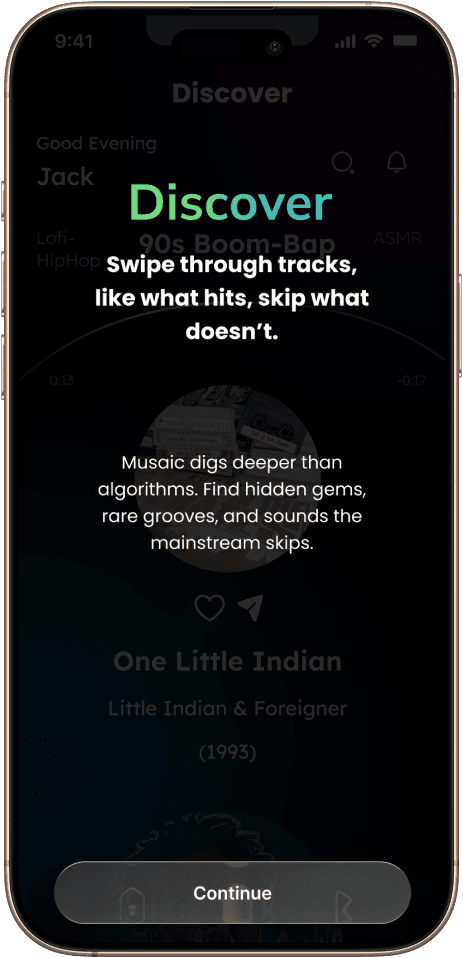
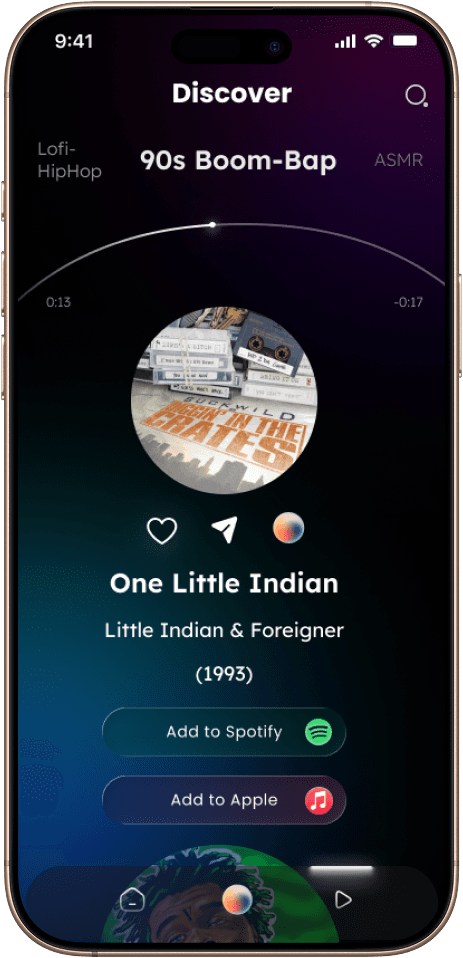
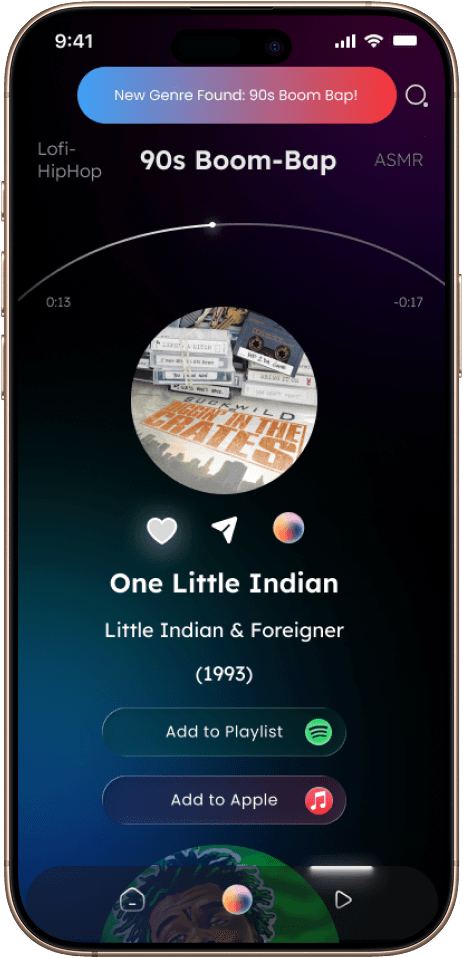
The core product experience was designed around fast, intuitive discovery. Inspired by the mechanics of TikTok, I built the app around a swipeable, infinite-scroll music feed that allowed users to rapidly explore new songs based on their taste. Instead of forcing users to search manually or passively accept generic recommendations, MUSAIC created a more active discovery loop: listen, swipe, save, explore deeper, and refine your taste over time.
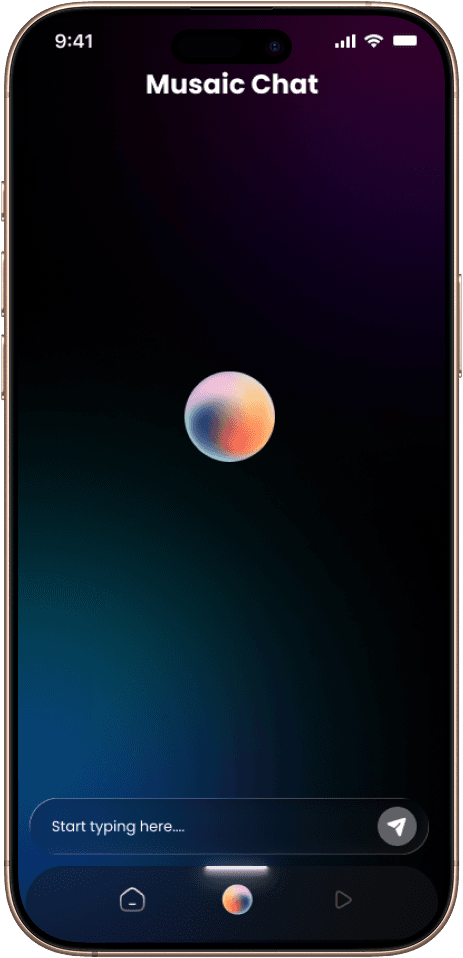
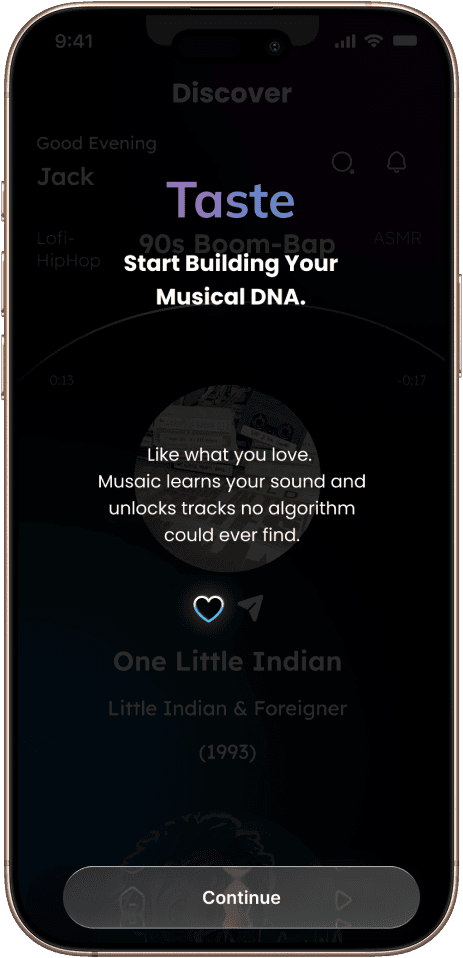
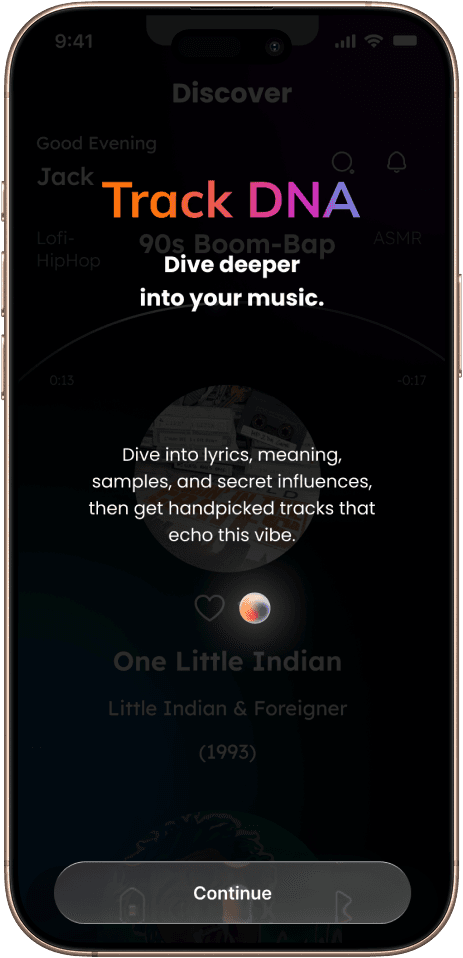
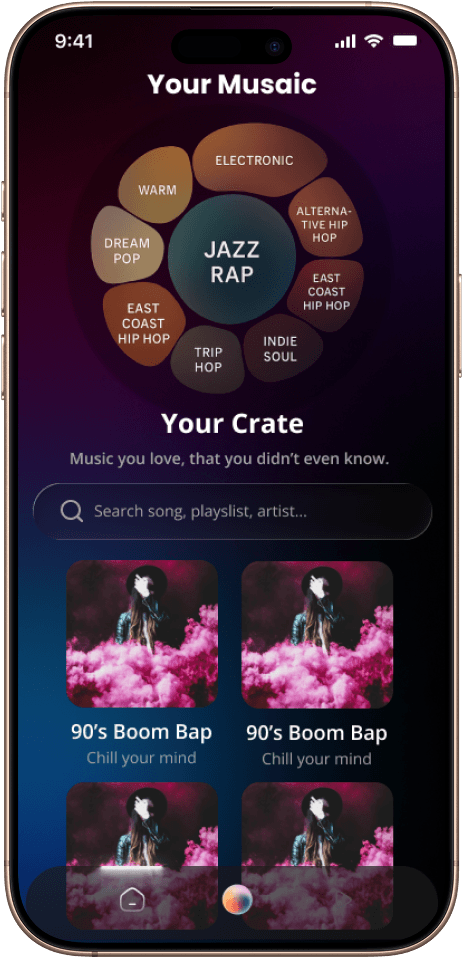
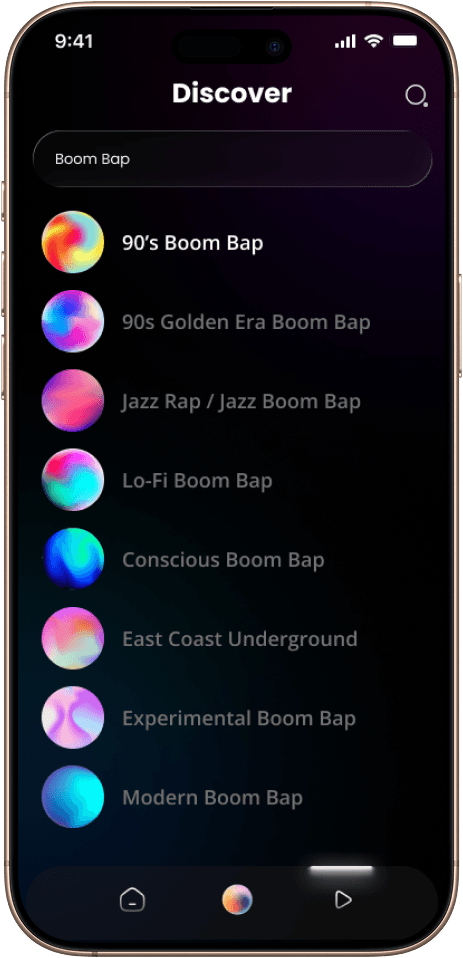
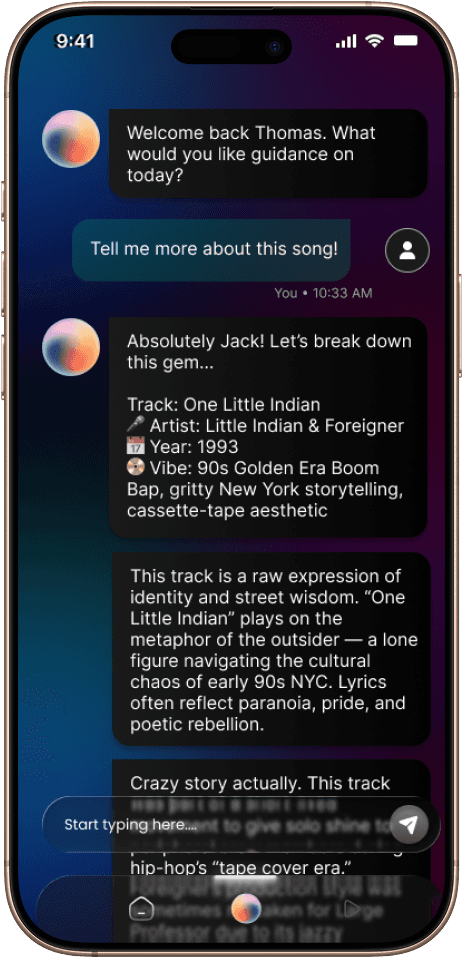
The app included features such as playlist intelligence, taste archetypes, genre mapping, hidden subgenre discovery, AI music chat, song breakdowns, and artist recommendations. Users could explore their “musical DNA,” understand why they liked certain sounds, and discover adjacent genres or underground artists connected to their existing taste.
Role
I led MUSAIC from concept through product strategy, positioning, feature planning, interface direction, marketing, and go-to-market strategy. I shaped the user experience around identity-based discovery, making music feel less like a database and more like a personal map of someone’s taste, memories, moods, and creative identity.
Why MUSAIC
One of the key product decisions was to move beyond the traditional recommendation model used by major streaming platforms. Most music algorithms rely heavily on collaborative filtering, where a platform recommends songs based on what similar users are listening to. MUSAIC explored a different approach. Instead of only using listening behavior, the app used AI to interpret cultural context around music by analyzing signals from places like Reddit discussions, forums, YouTube comments, online music communities, reviews, and genre conversations. The goal was to surface music based not only on similarity, but on meaning, emotion, subculture, and the way real listeners talked about songs.
This allowed MUSAIC to recommend music that felt more human and culturally aware. The product was not just asking, “What do similar users listen to?” It was asking, “What does this song feel like, where does it live culturally, what communities talk about it, and what other artists carry a similar emotional or stylistic fingerprint?”